
Subscription Rather Than Tuition
What if we subscribed to learning and educational engagement throughout our careers?
A huge trend has swept the world over the past few decades. While few have connected the otherwise disassociated patterns, there is an unmistakable increase in subscription-based models. The rise of leasing has grown to more than 30 percent of all new car transactions; the advent of software as a service (SaaS) has grown in tandem with cloud hosting; the percentage of households renting vs. buying is higher than any point in the past half century; Amazon has created a “Subscribe and Save” model; and the list goes on. Subscriptions have grown nearly across the board.
In education, we “buy” our degrees — that is, we pay for them through tuition and fees. While cumulatively going into debt more than $1.6 trillion, many pay for the purchase over a lifetime. And when the last semester ends, so does our service — with minor exceptions in the alumni association area. Meantime, the bills continue without any new value add. Yet continuing professional education is in high demand among both employees and employers. In fact, the publication Human Resource Executive reports, “Today’s youngest workers called education the most desirable benefit (not including healthcare), outpacing even paid sick/vacation leave and retirement savings programs. Eighty-eight percent say they would be more likely to recommend their employer because of its education benefits.”
A number of factors have come together to suggest that there may be an emergence of a new model in higher education that follows the trends in other fields. First and foremost, the advent of artificial intelligence and associated technologies is ushering in the fourth industrial revolution, and with it comes a rapid turnover of jobs and workforce needs. Many of the jobs of the past and today will not be long-lived in the coming few years. The change patterns are complex and interrelated, resulting in the need for constant upskilling, reskilling and reinvention among workers. The Brookings Institution does a deep dive on the anticipated impact of these changes writing their report “Automation and Artificial Intelligence: How Machines Are Affecting People and Places“:
The power and prospect of automation and artificial intelligence (AI) initially alarmed technology experts, for fear that machine advancements would destroy jobs. Then came a correction of sorts, with a wave of reassurances minimizing their negative impacts. Now, the discourse appears to be arriving at a more complicated, mixed understanding that suggests that automation will bring neither apocalypse nor utopia, but instead both benefits and stresses alike. Such is the ambiguous and sometimes disembodied nature of the “future of work” discussion.
This model of constant change and sustaining new needs is not best met with a static baccalaureate, static master’s or static doctorate completed just “once and then done” model of higher education. That model may have worked in the 19th and 20th centuries, but it is not a good fit for the 21st century. Just as consumers are leasing, renting, subscribing to other services and products to meet their changing needs, so too is higher education on the brink of changing to meet the evolving and ever-expanding needs of our clientele.
There is reason to believe that higher education will soon join the trend of moving to subscription funding rather than purchasing. The president of edX, Anant Agarwal, writes, “Recognizing that we need to expand the options for students to gain an education, higher education institutions are starting to innovate, creating new ways to unbundle degrees and create non-linear, modular career and education pathways.”
 We have seen the changes in early disrupters in our field such as StraighterLine, which markets courses through a $99-per-month subscription plus a per-course fee starting at $59. Coursera has announced a personal subscription plan of $399 per year for learners based on the plans they have offered to businesses and campuses. Now, many continuing ed credit providers offer subscriptions to a menu of classes based on annual or monthly fees. LinkedIn Learning offers a massive catalog of 15,000 classes by subscription starting at $19.95 per month.
Subscription models abound. They are the sustainable future of higher education. It is all about growing with the learners from where they are today to where they will be tomorrow through evolving and expanding continuing professional education and engagement.
I wrote a couple of weeks ago about the “semester without end” approach that I initiated some 25 years ago. In the intervening quarter century, I have offered an increasing number of curated reading lists in topical areas of value to former students and professionals in our field of online and distance education. Millions of web views and thousands of daily email subscribers continue to follow the postings through blogs, Twitter, LinkedIn and Facebook — in this case at no charge with no advertising. For example, see the UPCEA Professional and Continuing Education Update. Imagine if every class we offered were to provide an ongoing curated reading and discussion list, making for a subscription-worthy service for graduates.
Do you provide continuing value to learners after they have completed your class? How might you generate a continuing value add for those graduates of your program as they enter the changing environment of the workplace? Would this enhance the dynamic of learning at your university? Is it possible that a subscription to these value-added ongoing enhancements might generate a continuing and ever-expanding revenue stream?
This article was originally posted in Inside Higher Ed’s Transforming Teaching & Learning.
Authored by
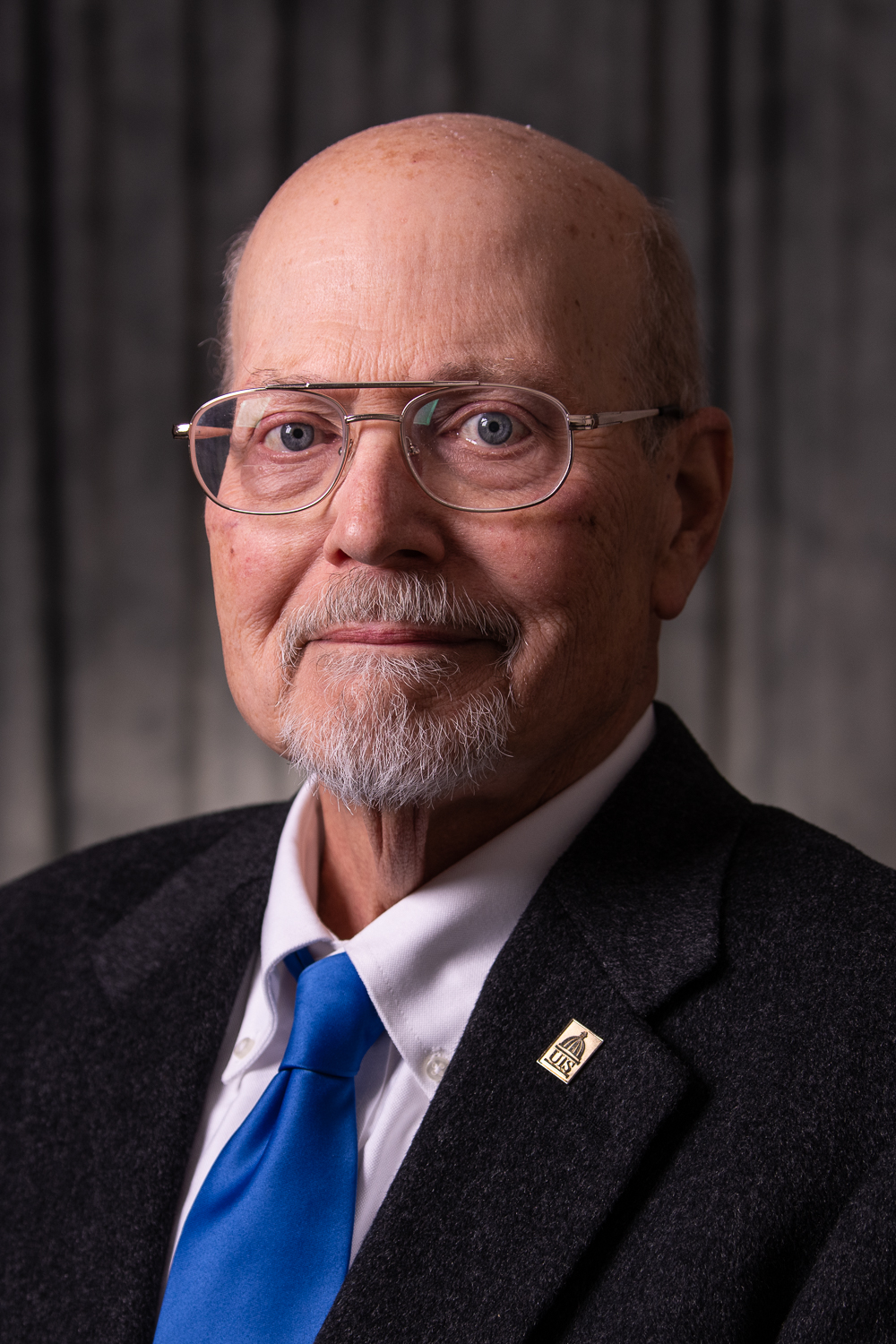

Ray Schroeder is Professor Emeritus, Associate Vice Chancellor for Online Learning at the University of Illinois Springfield (UIS) and Senior Fellow at UPCEA. Each year, Ray publishes and presents nationally on emerging topics in online and technology-enhanced learning. Ray’s social media publications daily reach more than 12,000 professionals. He is the inaugural recipient of the A. Frank Mayadas Online Leadership Award, recipient of the University of Illinois Distinguished Service Award, the United States Distance Learning Association Hall of Fame Award, and the American Journal of Distance Education/University of Wisconsin Wedemeyer Excellence in Distance Education Award 2016.
Other UPCEA Updates + Blogs
Whether you need benchmarking studies, or market research for a new program, UPCEA Consulting is the right choice.
We know you. We know the challenges you face and we have the solutions you need. We speak your language and have been serving leaders like you for more than 100 years. UPCEA consultants are current or former continuing and online higher education professionals who are experts in the industry—put our expertise to work for you.
UPCEA is dedicated to advancing quality online learning at the institutional level. UPCEA is uniquely focused on excellence at the highest levels – leadership, administration, strategy – applying a macro lens to the online teaching and learning enterprise. Its engaged members include the stewards of online learning at most of the leading universities in the nation.
We offers a variety of custom research options through a variable pricing model.