
A Course Refresh this Summer
Today’s title carries a double meaning for those of us in higher education. Summers traditionally bring the opportunity to refresh and update the courses we teach, and it also brings the chance to look afresh at the course of our own personal careers.
First, as we review our courses, their currency, relevance and value, it is an opportune time to reach out to those employers who hire our graduates and review literature from the field on how well-prepared our students are for careers in this emerging Artificial Intelligent (AI) era. The Digital Education Council in a report of one year ago in collaboration with the Global Finance & Technology Network (GFTN) released their AI in the Workplace report finding “A sharp disconnect between industry and higher education: only 3% of employers believe higher education is adequately preparing graduates for an AI-driven future.” As Louise Nicol raises in World University News, “If universities do not future-proof their offer through deeper and more credible partnerships with employers and industry, what exactly prevents employers from educating and training people themselves?”
With this in mind, now is a great time to reach out to our placement partners to craft more appropriate learning outcomes for our classes and degrees as a whole. The foundation for this may involve taking the time this summer to visit HR departments and corporate leaders to discuss just what shortcomings they see among our recent graduates. This can and should be done in collaboration with the department and college leaders and committees. According to a recently released State of Higher Education Report from Gallup and the nonprofit Lumina Foundation, just 54% of employers responding to a questionnaire in the fall believed colleges “are producing graduates with the competencies their businesses need.” The study found that public confidence in the value of a college degree dropped from 57% in 2015 to 42% last year.
While, in the past century, college was about filling student minds with the “facts of the field,” one key aspect of refreshing the courses and curriculum is to recognize that rote memorization is no longer a foundation of college education. Teaching and learning now is far less about a list of historical facts that are instantly available anywhere/anytime using the ever-enhancing technologies. Rather, our courses should be more about the skills of accessing relevant facts and information as well as the refinement of our own perspectives, ethos, philosophies and strategies in interpreting and applying the data tapped through new technologies. Reviewing our course materials and assessments with this in mind is a very useful step in updating courses to the current realities of the workplace. This calls for connecting students with industry before they graduate.
Mary Moreland, the executive vice president of human resources at Abbott Laboratories, wrote in Fortune earlier this year “By building bridges between classrooms and workplaces, they offer students the chance to build hard and soft skills. An engineering student designing a prototype for a company gains not only technical fluency, but also the kinds of judgment and teamwork skills that textbooks can’t teach.” One obvious solution is to increase internship opportunities for upper division students as they prepare to enter the workplace. However, internships appear to be declining at the very time that students posting applications for internships have been increasing. Government Technology recently reported, internship experience with an employer’s organization or industry is among the most influential factors when employers choose between otherwise equally qualified candidates.
Microcredentials are one method of backfilling these kinds of experiences into degree programs. Building such skills-based programs locally at your institution can create effective professional experiences for students. Microcredentials can also engage faculty members and other professionals in updating skills and experiences. In the form of targeted short-courses, microcredentials may be an expedient way to respond to changes among rapidly-changing technologies and techniques with agility.
Meanwhile, the employment and retention realities in our own field of higher education are shifting rapidly. Nearly every day we read about layoffs and cutbacks at colleges and universities both large and small. Academicjobs.com reported that the trend toward cutbacks is real. “The higher education layoffs February 2026 marked a concentrated wave, following 9,000 job losses across 2025 and more than 100 cuts in January alone.” Inside Higher Ed’s Josh Moody followed up last month “Colleges across the nation cut multiple jobs and programs last month as many sought to rein in projected budget deficits ahead of the start of a new fiscal year.” Moody detailed layoffs at a host of institutions, adding that cost-saving strategies include “buyouts, hiring freezes, furloughs and other cost-cutting measures. In addition to the commonly cited factors in the cuts, several universities pointed to financial issues exacerbated by the Trump administration’s actions, which have injected uncertainty into federal research funding and international student enrollment.”
These trends are worthy of prompting each of us to conduct our own individual investigation this summer to assess the likelihood of layoff or narrowing of opportunities for advancement in our very own specialties. Artificial Intelligence in the form of current apps can be a useful tool to identify employment data and trends in your field by specifying institutional, geographic and other criteria. I recommend that we all consider cultivating a detailed prompt that addresses our specific career interests. This can be run on the frontier AI apps and repeated every few months, for example every summer and each semester, to capture changes over time. Utilize these results to plan the course of your own career, identify new career paths, examine relevant credentials and assess prospects for longer term employment security.
Will you take time this summer to examine, assess and update your course materials? Will you take advantage of available time before the fall term begins to consider how your own career plan may be impacted by the larger changes impacting higher education now and anticipated in the coming couple of years? Those who do take these actions will benefit from improving their courses and finding new career threats and opportunities that didn’t exist in the past.
This column was originally published in Inside Higher Ed.
Authored by
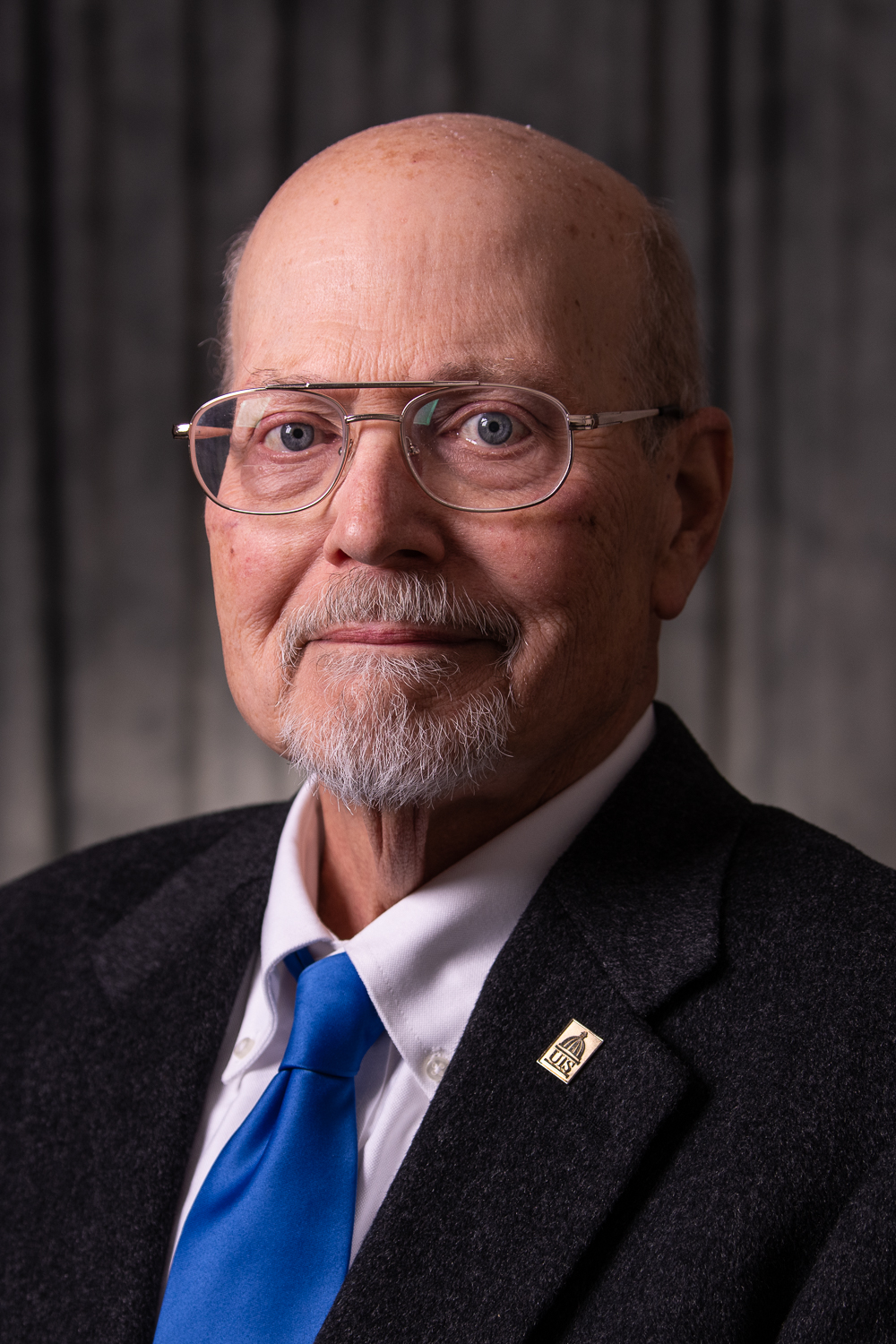

Ray Schroeder is Professor Emeritus, Associate Vice Chancellor for Online Learning at the University of Illinois Springfield (UIS) and Senior Fellow at UPCEA. Each year, Ray publishes and presents nationally on emerging topics in online and technology-enhanced learning. Ray’s social media publications daily reach more than 12,000 professionals. He is the inaugural recipient of the A. Frank Mayadas Online Leadership Award, recipient of the University of Illinois Distinguished Service Award, the United States Distance Learning Association Hall of Fame Award, and the American Journal of Distance Education/University of Wisconsin Wedemeyer Excellence in Distance Education Award 2016.
Other UPCEA Updates + Blogs
Whether you need benchmarking studies, or market research for a new program, UPCEA Consulting is the right choice.
We know you. We know the challenges you face and we have the solutions you need. We speak your language and have been serving leaders like you for more than 100 years. UPCEA consultants are current or former continuing and online higher education professionals who are experts in the industry—put our expertise to work for you.
UPCEA is dedicated to advancing quality online learning at the institutional level. UPCEA is uniquely focused on excellence at the highest levels – leadership, administration, strategy – applying a macro lens to the online teaching and learning enterprise. Its engaged members include the stewards of online learning at most of the leading universities in the nation.
We offers a variety of custom research options through a variable pricing model.