
Workforce Pell Grants: Primer and Update from Negotiated Rulemaking | Policy Matters (December 2025)
Major Updates
Workforce Pell Grants for Short-Term Programs: A Primer and Update from Negotiated Rulemaking: Consensus Reached – What’s in the Draft Regulations
We’ve developed a blog that provides a primer and overview of the recent negotiated rulemaking work on Workforce Pell Grants for Short-Term Programs, focusing on the first week of sessions held by the Department of Education’s Accountability in Higher Education and Access through Demand-Driven Workforce Pell (AHEAD) committee. Negotiators reached consensus on draft regulations governing the new Workforce Pell program and related Pell eligibility issues. These draft regulations will serve as the basis for the Department’s proposed rule that will go out for public comment, although public feedback could still shape the final text. The blog underscores that this negotiated language reflects statutory requirements for eligible short-term programs, including duration, alignment with in-demand industries, job placement and completion rates, and a value-added earnings test.
For administrators planning for institutional readiness, the blog highlights key elements of the draft Workforce Pell framework that universities and colleges should focus on. Eligible programs must meet specific criteria (e.g., 150–600 clock hours, alignment with defined industry needs, recognized credentials, and thresholds for completion and employment) and also satisfy new financial and earnings criteria tied to value added. Governors play a central role in certifying programs at the state level, and institutions will need to understand pathways for compliance, data reporting, and cross-state participation. The article will help campus teams engage with the evolving regulatory landscape as the implementation timeline toward July 1, 2026 continues.
In January (5-9) the committee will shift to negotiating regulations on program accountability metrics. To help you unpack everything that was discussed during these sessions, UPCEA will be hosting a webinar, “Decoding Workforce Pell and the New Program Accountability Framework: Negotiated Rulemaking Insights and Implementation Guidance,” on January 28 at 2:00 p.m. ET, and you can register here. Read our blog for more information.
Department of Education Launches New Institutional Earnings Indicator as Part of FAFSA
The U.S. Department of Education has announced the launch of a new earnings indicator embedded in the FAFSA process, designed to give prospective students and families clearer insight into post-graduation earnings outcomes at the institutions they are considering. Using existing, publicly available Department data, the FAFSA will now display average earnings information for each selected institution and generate a “lower earnings” disclosure when an institution’s graduates earn less, on average, than high school completers. The Department positions this addition as a transparency measure amid growing public concern about the value of a college degree and rising student loan debt, noting that more than 2 percent of undergraduates attend institutions with earnings outcomes below the high school benchmark, even as those institutions receive significant federal aid.
For higher education institutions and student support professionals, the indicator is part of a broader federal effort to make postsecondary outcomes more visible at key decision points. The Department emphasizes that the metric is intended to inform student choice and should be considered alongside other factors such as cost, mission, location, and individual goals. Counselors and college access staff are encouraged to use the indicator, in combination with tools like the College Scorecard, to support informed decision-making. Check out these FAQs from our partner Thompson Coburn LLP on the new indicator. The underlying data are now available through the FSA Data Center and will be updated as new earnings information becomes available, signaling continued federal focus on outcomes and value in higher education. Read more.
Other News
- Department of Education seeks Public Comment on Third Party Servicer Data Collection; Comments Due February 27 (Federal Register)
- Trump’s Higher-Ed Policy Fight – Will the administration try to strong-arm college accreditors? (The Chronicle of Higher Education)
- New Insights for 2025: How States Are Funding and Expanding Short-Term Credential Pathways (HCM Strategists)
Policy Matters: Primers and Insights
Helping you navigate policy frameworks critical to higher education in the United States.
Access our resources providing an introduction to foundational topics in federal legislation and regulations impacting online and professional continuing education for universities and colleges. Read more.
UPCEA is a proud founding and steering committee member of the Today's Students Coalition.
UPCEA 2025-2026 Policy Committee
Corina Caraccioli, Loyola University New Orleans, Co-Chair
Abram Hedtke, St. Cloud State University, Co-Chair
Bridget Beville, University of Phoenix
Curtis Brant, Bowling Green State University
Kristen Brown, University of Louisville
Amy Collier, Middlebury College
Ilona Marie Hajdu, Indiana University
Laura Hendley, Stevenson University
Gloria Niles, University of Hawaii System
Kelly Otter, Georgetown University
Erika Swain, University of Colorado Boulder
Craig Wilson, University of South Carolina
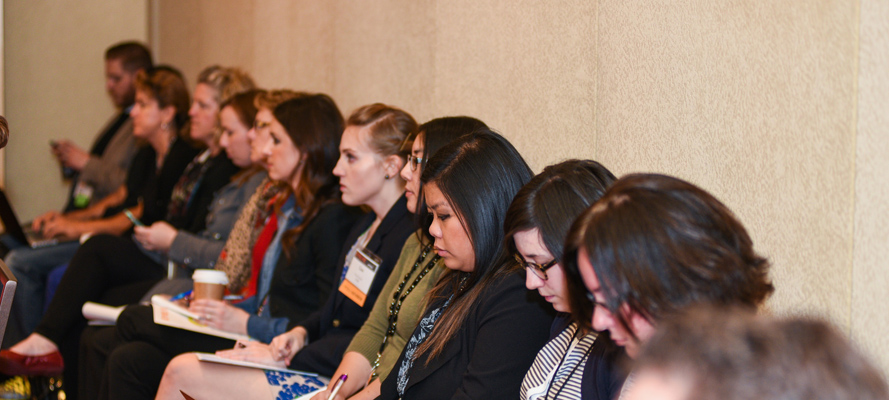
Get Involved with UPCEA
Professional development isn't just about attending sessions. Get involved with UPCEA to meet members from other institutions, share the great work your institution is doing, and hone your own skills. From submitting a session proposal for a conference or an article for a publication to serving as a volunteer on a conference planning committee, there are as many ways to engage with us!
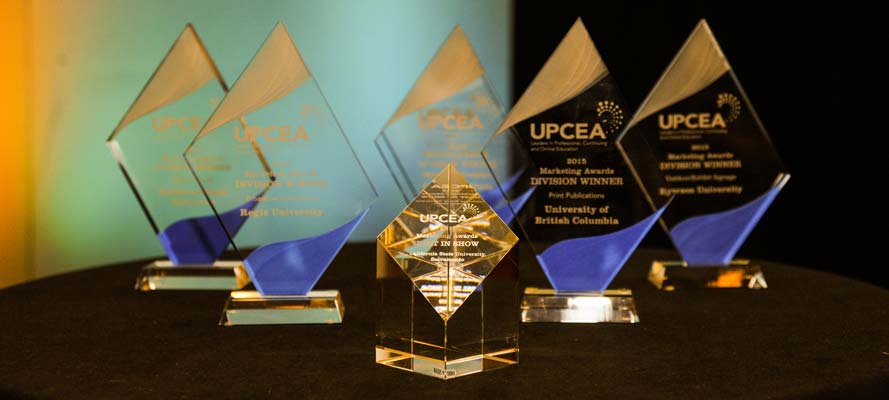
Awards of Excellence
Since 1953, UPCEA has recognized its members' outstanding contributions to the Association and the field, as well as their achievements in innovative programming, marketing and promotion, community development and services, research and publications, and many other areas.