
The Maturing Millennial Manager
Professional, continuing and online (PCO) education units are facing a period of intense competition, but also of significant opportunity. A decade ago, PCO units and their institutions were in fear of launching unsuccessful online bachelor’s and graduate degrees. Ten years later, growth in the market has slowed and competition increased. With the economy now shifting from heavy growth from the mobile or cloud period, to the big data and automation period, PCO units are faced with flat or declining enrollments in some online programs as a result of movement to noncredit certificates, massive open online courses (MOOCs) and badging. Behind all of this economic and academic change, demographic shifts have been creating even greater complexity regarding new program development. Generation Z graduated its first major cohort of college graduates, between 1.5 and 2 million into the workforce. More daunting however, is the maturation of the Millennial.
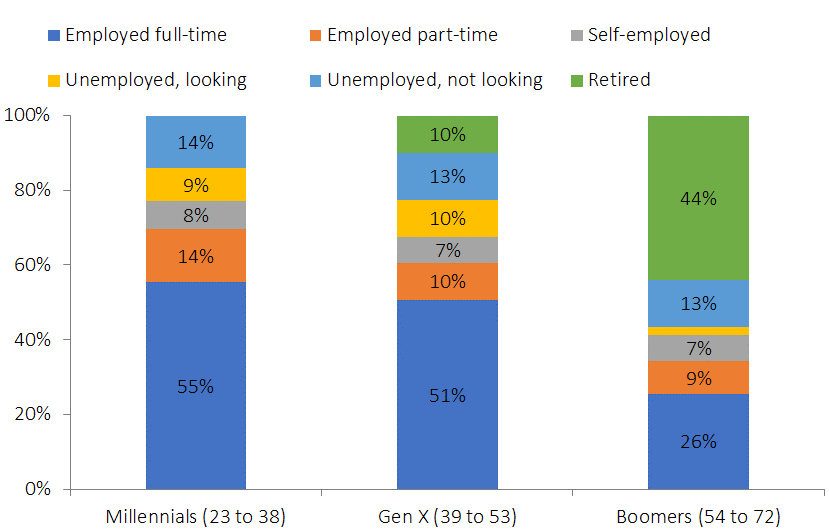
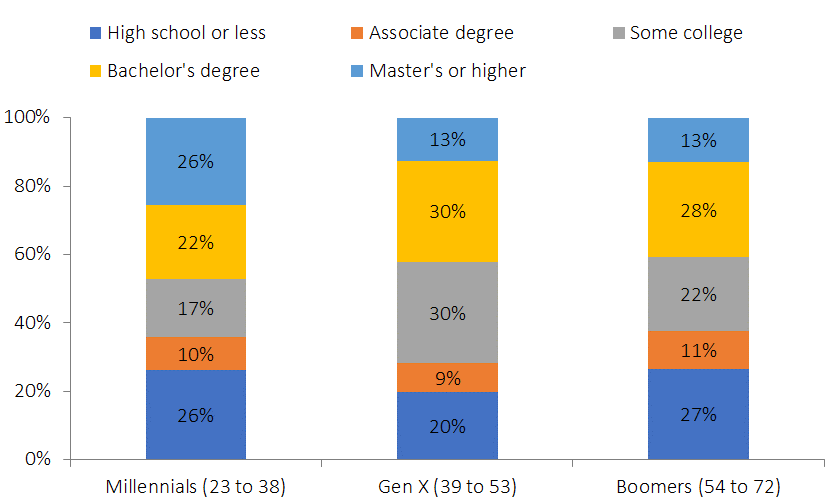
Millennials are between 23 and 38 years of age. The older third of the cohort is primed for management. Mature and middle-aged Millennials are most likely the consumers of higher education’s professional master’s degrees. PCO units invested significantly into the professional master’s degree market. A recent UPCEA web survey conducted in July 2018 shows that many Millennials have gone on from their bachelor’s degree to a graduate degree.
After much angst and frustration, Millennials ultimately became employed. They had to endure the Great Recession of 2008, along with Boomers resisting retirement. Boomers have finally started to retire, and the economy started to shift to automation, opening up new opportunities for Millennials and Generation Z.
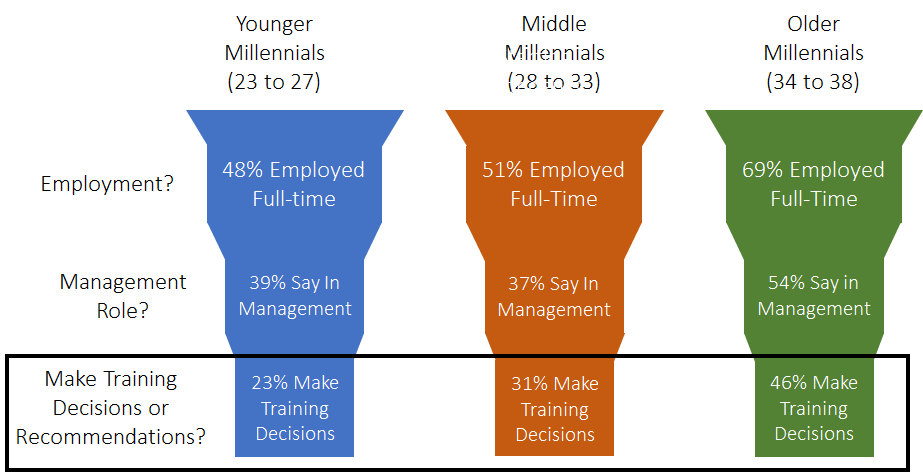
Millennials are also becoming decision-makers. PCO units and higher education in general has relationships and processes designed for the Baby Boomer or Generation X. Corporate relations and development are designed to engage individuals in settings such as mixers, chamber of commerce meetings, open houses or telephone calls. The next generation could be different, especially around corporate training, graduate education or community engagement, as Millennials could have different beliefs and values.
Is there animosity toward higher education based on delayed entry into the workforce as a result of the Great Recession? Will decisions be made different regarding corporate education? Did the Great Recession and the lost promise of jobs as a result of earning a degree open the door for other providers? The next decade will see more Millennials take the seat of power. The figure to the right shows that they are gradually gaining decision-making power. PCO units now have to make a deliberate effort to adapt to the new decision-maker. New communications strategies will need to be put in place. The UPCEA Center for Research and Strategy will focus more research into better understanding the Maturing Millennial Manager and delivering early findings on August 15 via webinar, with full results, at the UPCEA Regional Conferences.
Learn more about UPCEA's expert consultants.
Do you need help with your PCO unit or campus? We can help. Contact UPCEA Research and Consulting for a brief consult. Email [email protected] or call us at 202-659-3130.
Trusted by the nation's top colleges and universities, UPCEA Research and Consulting provides the best value in the industry today. UPCEA's industry experts have years of experience in Online and Professional Continuing education - put them to work for you!
UPCEA Research and Consulting offers a variety of custom research and consulting options through an outcomes-focused pricing model. Find the option(s) that best suit your institution.
Learn more about UPCEA Research & Consulting
The UPCEA Difference
Unmatched Experience: For more than 100 years, UPCEA consultants have exclusively served the needs of online and professional continuing education programs. UPCEA consultants leverage their extensive industry expertise to expedite solutions, anticipate upcoming shifts, and offer distinct best practices, effectively aiding clients in achieving their goals.
Cost Effectiveness: As a nonprofit, member-serving organization, we provide unmatched value, allowing you to maximize limited research and consulting budgets.
Action in Motion: Our cadre of experienced, skilled authorities and expert practitioners propels you forward, translating research and consulting into impactful implementation, a distinctive hallmark of UPCEA. Our team of current and former institutional leaders will support you, turning research and consulting into action.
Mission Alignment: Like you, our mission is to enhance and expand educational opportunities and outcomes for adult and other non-traditional learners. We share your values and work in partnership with you to advance access and excellence in education.