
Disrupting the Disrupters
The advent of online education was a classic Clayton Christensen disrupter. That was a quarter of a century ago. Now the disrupter is becoming disrupted.
Harvard professor Clayton Christensen described disruptive innovation as “a process by which a product or service takes root initially in simple applications at the bottom of a market and then relentlessly moves up market, eventually displacing established competitors.” That’s just what started in the early to mid-1990s for online learning and continued until today. Colleges and universities efficiently reached new, underserved markets by virtually bringing the university to the student. The trend continues with overall college enrollment in the U.S. dropping for a fourth year, while the online portion of that enrollment continues to rise. But something else is coming into play — in a very large way!
Online programs at thousands of colleges and universities are beginning to see a flattening of the growth curve. It is an inflection point in the inevitable product life-cycle curve. We are now topping the maturity segment of the curve for many modest-size programs. As markets are saturated and new competition and innovations enter the field, we are moving into the decline segment of the “traditional” online program.
A number of players and factors are changing the field. Georgia Institute of Technology calls it “at-scale” learning; others call it the “mega-university” — whatever you call it, this is the advent of the very large, 100,000-plus-student-scale online provider. Coursera, edX, Udacity and FutureLearn (U.K.) are among the largest providers. But individual universities such as Southern New Hampshire, Arizona State and Georgia Tech are approaching the “at-scale” mark as well. One could say that’s evidence of success in online learning. And without question it is.
But, with highly reputable programs at this scale and tuition rates at half or below the going rate for regional and state universities, the impact is rippling through higher ed. Georgia Tech’s top 10-ranked computer science master’s with a total expense of less than $10,000 has drawn more than 10,000 qualified majors. That has an impact on the enrollment at scores of online computer science master’s programs offered elsewhere. The overall online enrollment is up, but it is disproportionately centered in affordable scaled programs, draining students from the more expensive, smaller programs at individual universities. The dominoes fall as more and more high-quality at-scale programs proliferate.
Sean Gallagher, executive director of Northeastern University’s Center for the Future of Higher Education and Talent Strategy and executive professor of educational policy, explains the slow-motion seismic shift we are watching in higher education. The benefits are huge; the potential is even greater!
But, somehow, it does not feel the same being disrupted as it did 20 years ago when we were doing the disruption. So, what can be done by nonscaling universities? Much.
We can begin disruption anew with microcredentialing of just-in-time modules that anticipate the tech-driven training that industry will need in the coming year or two. We can offer microcredentialing of the communication, leadership and social skills that businesses say our graduates lack such as online leadership; communication skills (verbal, video and interactive); creative and innovative thinking; and more. We can serve international markets where growth is faster than domestically and needs are even greater. And we can seek to collaborate with other colleges and universities to jointly offer programs that draw upon the more diverse base of knowledge experts across multiple institutions.
Even if enrollments have not yet reached a plateau in your traditional online programs, now is the time to begin to look at the life-cycle curve and plan for the eventuality that your university will also be disrupted.
This article was first posted January 9th in Inside Higher Ed’s Inside Digital Learning.
Authored by
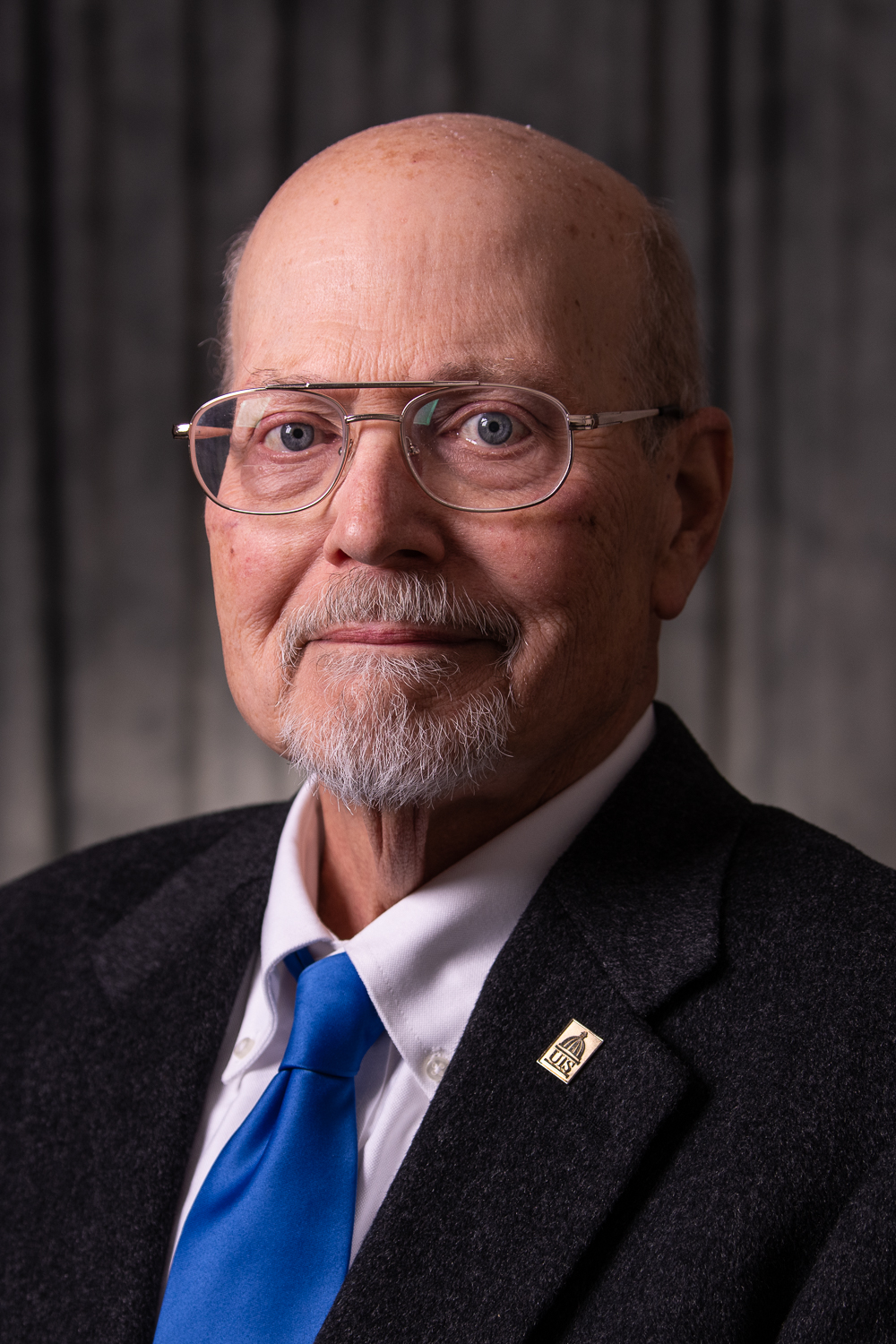

Ray Schroeder is Professor Emeritus, Associate Vice Chancellor for Online Learning at the University of Illinois Springfield (UIS) and Senior Fellow at UPCEA. Each year, Ray publishes and presents nationally on emerging topics in online and technology-enhanced learning. Ray’s social media publications daily reach more than 12,000 professionals. He is the inaugural recipient of the A. Frank Mayadas Online Leadership Award, recipient of the University of Illinois Distinguished Service Award, the United States Distance Learning Association Hall of Fame Award, and the American Journal of Distance Education/University of Wisconsin Wedemeyer Excellence in Distance Education Award 2016.
Other UPCEA Updates + Blogs
Whether you need benchmarking studies, or market research for a new program, UPCEA Consulting is the right choice.
We know you. We know the challenges you face and we have the solutions you need. We speak your language and have been serving leaders like you for more than 100 years. UPCEA consultants are current or former continuing and online higher education professionals who are experts in the industry—put our expertise to work for you.
UPCEA is dedicated to advancing quality online learning at the institutional level. UPCEA is uniquely focused on excellence at the highest levels – leadership, administration, strategy – applying a macro lens to the online teaching and learning enterprise. Its engaged members include the stewards of online learning at most of the leading universities in the nation.
We offers a variety of custom research options through a variable pricing model.