
Demise of the Baccalaureate Degree
Overpriced, outdated and no longer required by an increasing number of employers; is the baccalaureate in a death spiral?
Enrollments at American colleges and universities have been on a decade-long skid. This past year, enrollments dropped by 600,000 or 3.5%. While some of those drops may have been prompted by the pandemic, the trend is clear; fewer and fewer students are entering college.
Since the inception of the first university, the University of Al Qarawiynn, some 12 centuries ago in what is now Morrocco, followed in 1088 by the founding of the University of Bologna, institutions of higher education have held a self-important, “we know what you must learn” attitude. Colleges and universities specify and require general education studies that must be mastered without timely, regular and deep research and consultation for relevance to societal trends, employer needs, and student preferences.
One must ask if we in higher education have kept up with the rapid acceleration of social, technological, and societal changes in every one of our courses, prerequisites, general education requirements, and curricula? Are we teaching the competencies and emphases that will be required to thrive in 2025? I fear not. To keep up to date would require adjustments every single semester – updating every class and every curriculum with a visionary foresight of what will be in place in four, five or six years when incoming freshmen will commence their careers. In truth, our sluggish revision doesn’t keep up with life in this 4th industrial revolution. That would require anticipating and incorporating the accelerating changes and impact of quantum computing, artificial intelligence, and associated technologies. It would require anticipating and incorporating social shifts in working and leisure, and it would require teaching for the future rather than the past. These practices, I fear, are far out of the collective reach of our higher education leaders and faculty.
It is true that in the preceding centuries, the rate of technological and social change was somewhat more leisurely. Change from 1821 to 1822, or 1921 to 1922, was likely somewhat less frenetic than we see from 2021 to 2022.
I have sat through debates as to whether foreign language courses (not foreign culture courses) should be required of every student in a time when computer-driven automatic written and oral speech translation is readily available. I find the argument for such requirements akin to the debate some decades ago, of whether college students should be allowed to use calculators. Let me be clear that I do not suggest that such courses should not be available to students, rather that they should not be required of all students in this 21st century. And, I have seen course syllabi and required textbooks that have not changed in years. I have wondered whether students in those classes are being prepared for the future that they will encounter or rather that they are being prepared for the way things were five or ten years ago.
We currently document our baccalaureate degrees with transcripts that are owned and controlled by the colleges and universities. This documentation of what has been achieved is withheld if parking tickets have not been paid or other infringements have been committed. A growing movement demands that transcripts shift to blockchain delivery controlled by the students. This holds the potential for students to assemble their own transcripts with selected courses, internships, monitored experiences, projects, and more from a variety of sources – not just one university – that can be validated by HR departments and others reviewing the transcripts. It is possible that a lifelong transcript could be supported that would include continuing and professional education throughout a career. When we go deeper beyond curricula into like these in terms of data storage and dissemination, we may be even slower towards being forward-thinking.
Employers and students are seeking shorter credentialing than the baccalaureate; in particular they are looking for alternative credentials in the form of professional and continuing and online programs that are to-the-point and immediately applicable in the workforce. A survey recently conducted by UPCEA and Evolllution reported that higher ed leaders agree. According to the survey, “seven in 10 higher education leaders (71 percent) said that “alternative credentials” could help them achieve institutional revenue and enrollment goals. Yet, just 60 percent considered credential initiatives ‘totally’ or ‘very’ aligned with their institutions’ strategic plans.”
It seems that the “clients” of higher education – both the students and the employers – recognize that the baccalaureate is too long and all too often teaches dated material rather than preparing students for the future. Shorter, just-in-time sequences of courses, could better address the emerging needs in the workforce and society as a whole. There is still room for the liberal arts in developing critical perspectives; thought processes; and essential skills and abilities. However, not all general education courses need to be required of all students just in case they might need those in the future. Instead, we should allow students more freedom to assemble stackable credentials in building their own set of learning experiences. We should expect that they will come back to the university again and again to update and upskill their knowledge and abilities. This will be the way universities will continue to be relevant and more responsive in serving students and society.
Who on your campus is leading the charge to update the curriculum; to cultivate alternative credentials; to promote revised transcripting that will turn the process over to the student as owner with the university becoming one of a whole host of participants offering documented credentials? Will your institution be left behind, charging $100,000 or more for an outdated and less-relevant baccalaureate while others will be offering less expensive, more relevant, just-in-time credentials that are valued by both employers and students?
This article was originally published in Inside Higher Ed’s Transforming Teaching & Learning blog.
Authored by
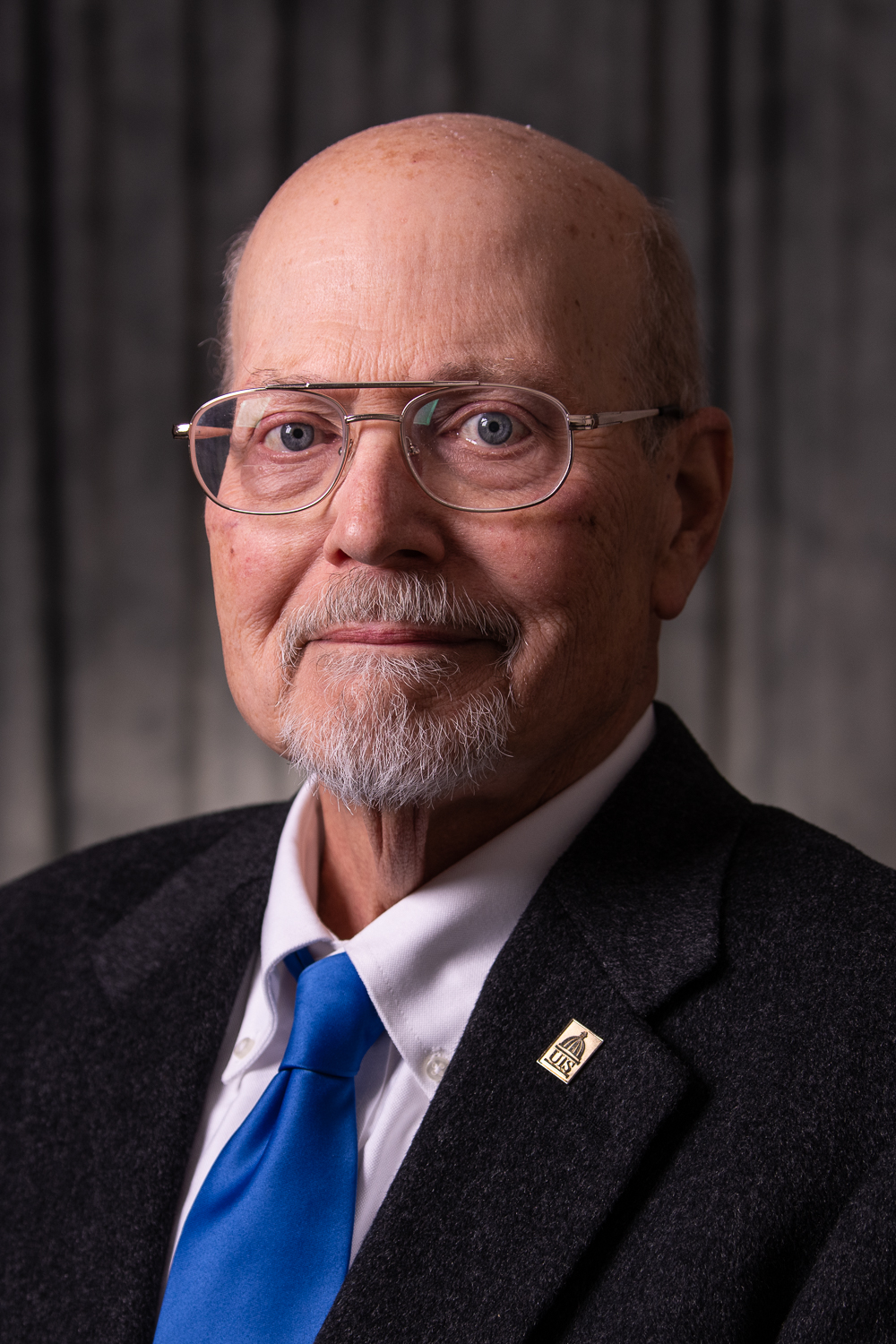
Ray Schroeder is Professor Emeritus, Associate Vice Chancellor for Online Learning at the University of Illinois Springfield (UIS) and Senior Fellow at UPCEA. Each year, Ray publishes and presents nationally on emerging topics in online and technology-enhanced learning. Ray’s social media publications daily reach more than 12,000 professionals. He is the inaugural recipient of the A. Frank Mayadas Online Leadership Award, recipient of the University of Illinois Distinguished Service Award, the United States Distance Learning Association Hall of Fame Award, and the American Journal of Distance Education/University of Wisconsin Wedemeyer Excellence in Distance Education Award 2016.
Other UPCEA Updates + Blogs
Whether you need benchmarking studies, or market research for a new program, UPCEA Consulting is the right choice.
We know you. We know the challenges you face and we have the solutions you need. We speak your language and have been serving leaders like you for more than 100 years. UPCEA consultants are current or former continuing and online higher education professionals who are experts in the industry—put our expertise to work for you.
UPCEA is dedicated to advancing quality online learning at the institutional level. UPCEA is uniquely focused on excellence at the highest levels – leadership, administration, strategy – applying a macro lens to the online teaching and learning enterprise. Its engaged members include the stewards of online learning at most of the leading universities in the nation.
We offers a variety of custom research options through a variable pricing model.