
Leadership in the Time of the Great Resignation
Much has been written about the Great Resignation; it is a phenomenon of profound significance. As leaders we need to look at ourselves, our own practices and peer/employee relationships, to clearly see the path forward.
Month after month, the number of “quits” across industries and fields, including higher ed, continue to set new records. Clearly, change is upon us. Employees are dissatisfied in multiple ways and are expressing their preferences to start over someplace other than where and how they are working. Whether they are seeking a different location; supervisor; potential for growth/advancement; or environment, many in our workforce are unhappy and unfulfilled.
Melissa Angell writes in Inc, “The so-called quits rate, which examines the amount of voluntary departures as a percentage of total employment, increased in both smaller businesses employing one to nine workers as well as larger shops with 1,000 to 4,999 workers. The data paints a grim portrait for those with high hopes that the Great Resignation would subside along with the pandemic.”
At issue in most cases is more than employees simply seeking a modest pay raise. Certainly, employees welcome more income, but the dissatisfaction seems to go deeper than that. Given the time and distance that the pandemic has provided us for reflection on our lives, meaning and mortality, it appears that many workers realize that they want more than money out of their careers. We have known that for a long time in higher education. On average, our salaries at universities are somewhat lower than most of business and industry. Yet, many workers happily forgo the extra money for the knowledge that they are making a difference in the lives of students, in the well-being of society and the advancement of knowledge.
Kathryn Hymes writes in Wired:
“We are in a moment of pervasive change across American life, and in turn there are many new things we must now put into words. One of these has been a radical shift in Americans’ relationship with work. Spanning industries and income levels, people are, as Klotz predicted, leaving their jobs in unprecedented numbers. They are changing employers, “downshifting” on the career ladder, or taking time away from the workforce altogether. With new clarity and savings from the Covid era, some workers have stepped back from precarious frontline jobs made brutally hard in the pandemic. Others report forgoing opportunities for money or status in exchange for greater flexibility and self-determination.”
Those who are leaders and directors of units in higher education, as many of the readers of Inside Higher Ed are, should take this opportunity to consider how they can better serve their staff members. The benefits of a happy and fulfilling workplace are not just in retention in this “quits” era, but in productivity as well. Happiness, in one study, resulted in a 12% spike in productivity, while unhappiness was associated with a 10% drop. From nearly half a century of supervising, leading and team-building in higher education, here are a few of my personal observations that you and your colleagues may find worth considering.
Do not hire the resume; rather, hire the person.
I have always valued personal qualities over transitory qualifications. Employees can much more easily acquire knowledge than personal values and intrinsic motivations. Warren Buffet ranks integrity highest among the qualities he seeks in hiring. Seeking ethos, team-centeredness, inquisitiveness, shared values and a healthy work ethic, I have been blessed to work with some of the most productive, innovative, and enthusiastic colleagues in our field.
Listen more; profess less.
As a professor by trade, this can be difficult, but if you model what you would profess, you take less time saying things and more time modeling them. Instead of telling staff members again and again how to do something, or why to do something, let your actions speak louder than words. Show them by your own actions how to engage others; how to share knowledge; and how to respect and honor diversity.
Remember that diversity is the wellhead of innovation and growth.
In all of its forms, diversity enriches the team. The additional perspectives bring new ideas and understanding of new marketplaces for research and service.
Encourage and advance those you supervise.
I put a high priority on co-authoring with less-experienced colleagues to enable them to get credit and advance on the research and publication path. I have always shared annual salary surveys and job openings with staff members to remind them of their value and opportunities. This sharing can empower them to pursue their best interests and dreams. You will help advance their careers, and, in turn, they will help you advance your own career.
Professional development every month of every year is essential.
Invest in your team at every opportunity. Conferences, certificates, time to pursue tangential interests and more – all are ways to support the advancement of the team. Following the model of some leading technology firms, I experimented with giving staff at least half a day a week to pursue development of their own choice. The potential of this practice is boundless.
Remember you are part of a team.
As the saying goes, there is no “I” in the word team. Listen to all ideas and perspectives. Then, listen again and ask questions for deeper understanding. No one has a monopoly on good ideas. Being a supervisor does not make you “more equal” than those you supervise. We all are on the same team with shared objectives and should support one another in every way we can. When a team member is having a difficult day for whatever reason, make a point of complimenting them, give them a break, and reinforce their value.
The small things repeated daily build an environment that no one wants to leave. Giving every suggestion a chance to be heard and valued powers the collective knowledge, insight and creativity to make the workplace and the product – whether that be learning, service or research – better.
What are you doing to stem the “quits” at your institution? Can you do more to make your team happier and more engaged? Can you do more to help your colleagues who lead their own teams create a better environment that supports better outcomes?
This article was originally published in Inside Higher Ed’s Transforming Teaching & Learning blog.
Authored by
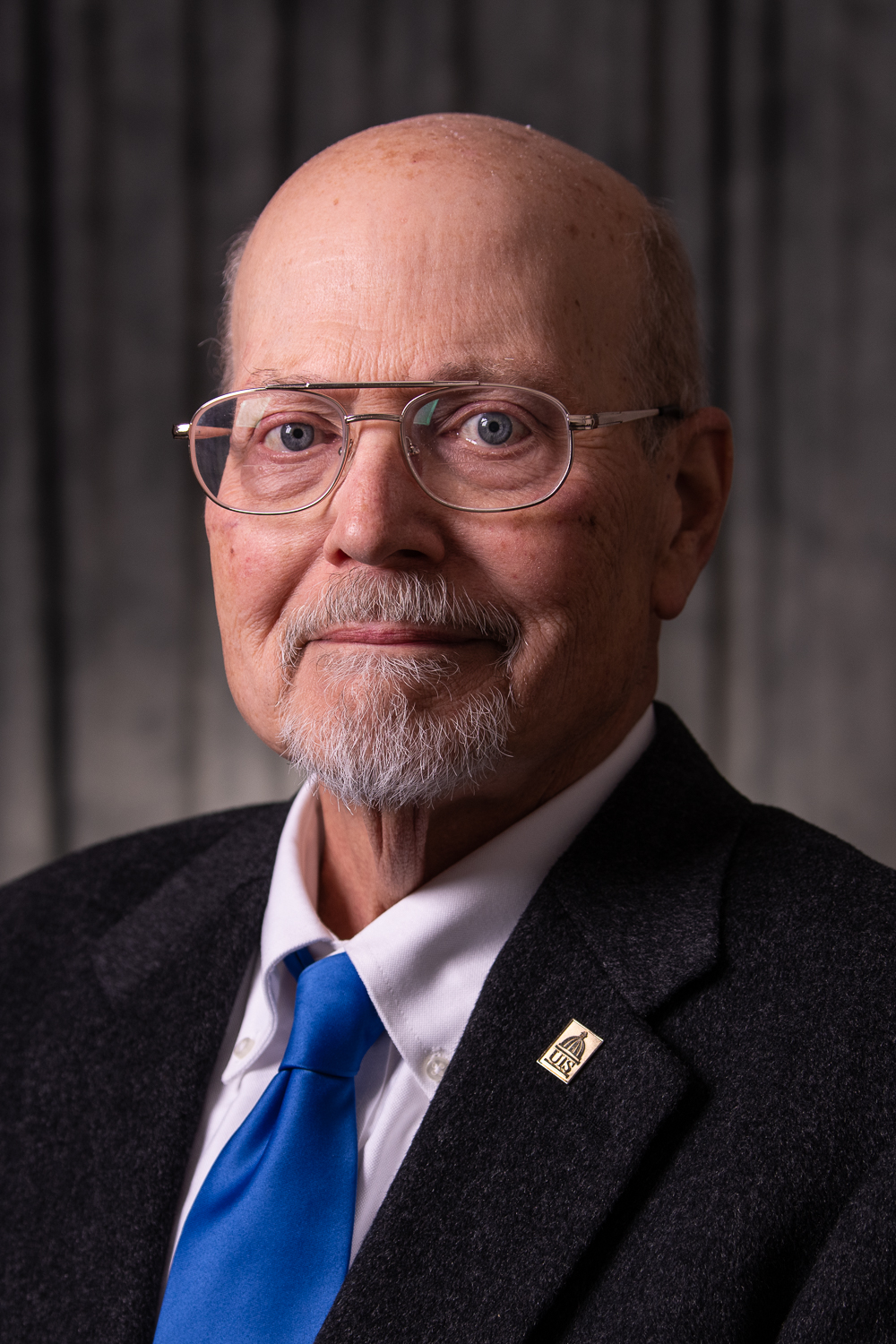

Ray Schroeder is Professor Emeritus, Associate Vice Chancellor for Online Learning at the University of Illinois Springfield (UIS) and Senior Fellow at UPCEA. Each year, Ray publishes and presents nationally on emerging topics in online and technology-enhanced learning. Ray’s social media publications daily reach more than 12,000 professionals. He is the inaugural recipient of the A. Frank Mayadas Online Leadership Award, recipient of the University of Illinois Distinguished Service Award, the United States Distance Learning Association Hall of Fame Award, and the American Journal of Distance Education/University of Wisconsin Wedemeyer Excellence in Distance Education Award 2016.
Other UPCEA Updates + Blogs
Whether you need benchmarking studies, or market research for a new program, UPCEA Consulting is the right choice.
We know you. We know the challenges you face and we have the solutions you need. We speak your language and have been serving leaders like you for more than 100 years. UPCEA consultants are current or former continuing and online higher education professionals who are experts in the industry—put our expertise to work for you.
UPCEA is dedicated to advancing quality online learning at the institutional level. UPCEA is uniquely focused on excellence at the highest levels – leadership, administration, strategy – applying a macro lens to the online teaching and learning enterprise. Its engaged members include the stewards of online learning at most of the leading universities in the nation.
We offers a variety of custom research options through a variable pricing model.