
Mental Health Epidemic: Dark Shadow of the COVID Pandemic
As we prepare to launch another semester mostly online, we are facing what may be the most severe mental health crisis in the history of American education. The next three months promise to bring the most dangerous and stressful period in American medicine.
Born of chilling student social and physical isolation off campus; faculty and staff burnout from rebuilding classes in new delivery methods and modes; budget cuts, furloughs and layoffs; depressing learning gaps; stress and fear for health of self, family and friends, a mental health epidemic of epic proportions is rising out of the virus pandemic. It will unfold in the cold, dark months of winter — December, January, February and into March — when the death toll mounts higher and higher before a hoped-for spring of vaccinated immunity begins to bring hope and some measure of mobility and in-person engagement.
The ramifications of this epidemic on top of the pandemic are sure to be long-lasting and pervasive. We are already seeing the beginnings of the mental health epidemic. After so many months of 12-hour workdays and seven-day workweeks, the support staff members who have labored with little recognition to modify and enhance remote-learning modules into online classes are burning out. In a striking article in Educause Review, Patrice Prusko and Whitney Kilgore describe “Burned Out: Stories of Compassion Fatigue”:
To obtain additional perspectives on these challenges, during the summer we interviewed five individuals who work across various roles within instructional design, collecting their stories of burnout and compassion fatigue. (For this article, we have changed their names.) Their candid reports bear witness to the difficulties being faced by so many people during the pandemic, and their stories also speak to the work being done on the front lines of higher education in the midst of this crisis.
Too often we use the term “burnout” loosely. Yet it is a defined condition. “Burnout is characterized by emotional exhaustion, cynicism and ineffectiveness in the workplace, and by chronic negative responses to stressful workplace conditions. While not considered a mental illness, burnout can be considered a mental health issue,” according to Workplace Strategies for Mental Health.
Burnout is characterized by a wide array of symptoms that may include increased errors, fatigue, suspiciousness, inefficiency and increased use of alcohol and drugs. These, in turn, can lead to far worse outcomes in terms of career, self-image, physical health, depression and personal success. Beth McMurtrie writes in The Chronicle of Higher Education, “Burnout is a problem in academe even in the best of times. Shrinking budgets, growing workloads, and job insecurity in a profession where self-sufficiency is both expected and prized put many faculty members at risk before Covid-19 placed higher education on even shakier footing.”
In EdSurge, Kevin R. McClure writes, “It’s not a question of whether higher education institutions will see a significant uptick in burnout among staff, faculty and graduate students this fall. The more important question is how college leaders will address it.” McClure suggests that campuses break the “silence and stigma” of burnout on campus. We need to simplify work where possible and find flexible solutions. We must be alert to signs of burnout in our colleagues. We must take actions to head off this epidemic that is riding on the back of the pandemic on our campuses. We must be proactive to avoid the huge toll that may be taken on co-workers, their careers and their future.
Of course, the peer-reviewed research on the mental health toll of the pandemic is just beginning to emerge, given the time required for studies, peer reviews and publications. But the early findings are not good. In “Prevalence of Depression Symptoms in US Adults Before and During the COVID-19 Pandemic,” a sharp increase in depression is reported. And in the American Journal of Drug and Alcohol Abuse, binge drinking is reported to have soared.
I am sounding the alarm now to alert readers that the next three months may bring struggle and harm to our faculty, staff and students. In these dark winter days and nights until spring when meaningful deployment of vaccines arrives in March, a grim toll will be taken. Burnout will spread, bringing depression, frustration and dismay among the most dedicated people at your university. Productivity will fall, judgment will fail and absenteeism will rise. All of this will take place as budgets, programs and personnel are inevitably cut due to the direct and indirect impact of the pandemic.
It will require a heroic effort to head off this shadow of the deadly pandemic. Who is leading the effort at your campus to maintain morale, bring sensible flexibility to rules, empower employees to pursue efficiencies and proactively intervene to lift up faculty, staff and students who are falling victim to burnout and looming depression?
This article marks Ray’s 200th edition of his “Online: Trending Now” blog posts.
This article was originally published in Inside Higher Ed’s Transforming Teaching & Learning blog.
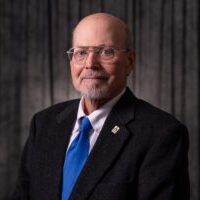
Ray Schroeder is Professor Emeritus, Associate Vice Chancellor for Online Learning at the University of Illinois Springfield (UIS) and Senior Fellow at UPCEA. Each year, Ray publishes and presents nationally on emerging topics in online and technology-enhanced learning. Ray’s social media publications daily reach more than 12,000 professionals. He is the inaugural recipient of the A. Frank Mayadas Online Leadership Award, recipient of the University of Illinois Distinguished Service Award, the United States Distance Learning Association Hall of Fame Award, and the American Journal of Distance Education/University of Wisconsin Wedemeyer Excellence in Distance Education Award 2016.
Other UPCEA Updates + Blogs
Whether you need benchmarking studies, or market research for a new program, UPCEA Consulting is the right choice.
We know you. We know the challenges you face and we have the solutions you need. We speak your language and have been serving leaders like you for more than 100 years. UPCEA consultants are current or former continuing and online higher education professionals who are experts in the industry—put our expertise to work for you.
UPCEA is dedicated to advancing quality online learning at the institutional level. UPCEA is uniquely focused on excellence at the highest levels – leadership, administration, strategy – applying a macro lens to the online teaching and learning enterprise. Its engaged members include the stewards of online learning at most of the leading universities in the nation.
We offers a variety of custom research options through a variable pricing model.